
NEWS
U.S. Naval Blockade on Iran Is Devastating Tehran Far Quicker Than Expected – Insiders Reveal the Terrifying Impact That Could Change the Middle East Forever

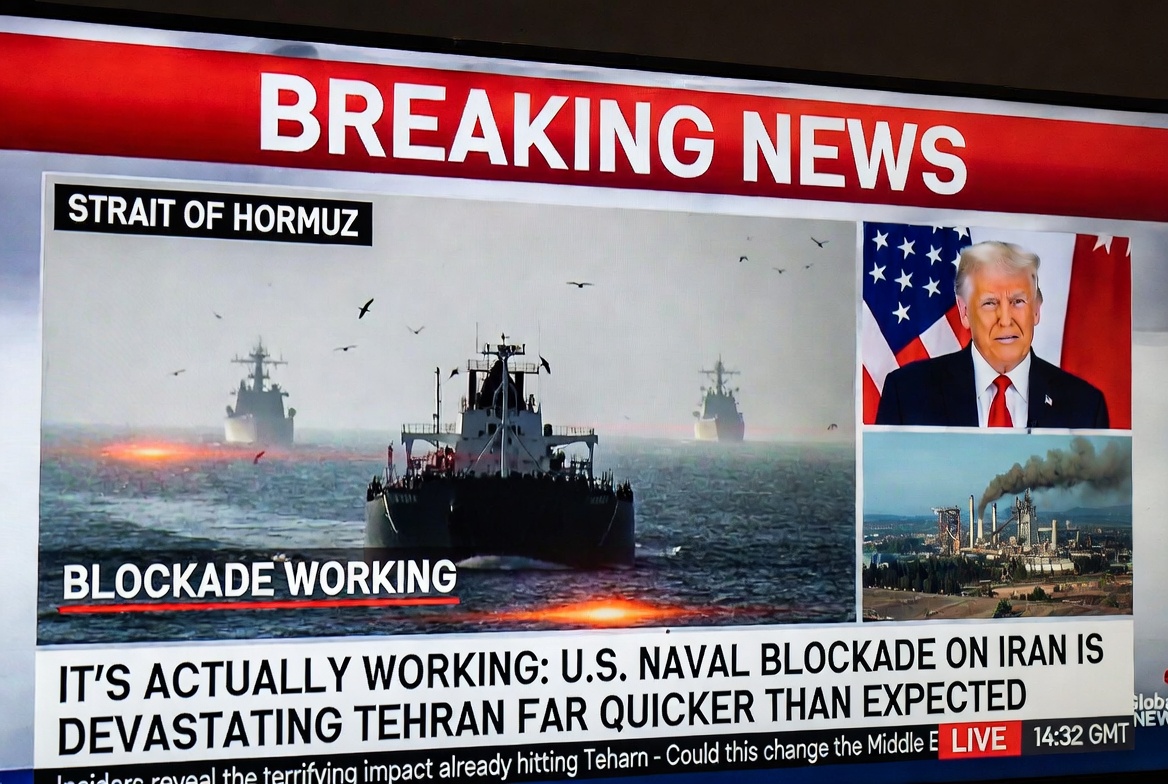
In a stunning turn that has caught even seasoned analysts off guard, President Trump’s aggressive naval blockade in the Strait of Hormuz is proving far more effective than anyone anticipated — and the results are already devastating for Iran.
According to multiple insider sources and emerging intelligence reports, the U.S. Navy’s tight control over the critical waterway has slashed Iran’s oil export revenue by more than 60% in just the first few weeks. Tankers that once carried millions of barrels of Iranian crude are now stuck or rerouted, starving the regime of the hard currency it desperately needs to fund its military and proxy militias.
What’s even more shocking is how quickly the pressure is mounting. Tehran’s economy, already fragile from years of sanctions, is showing clear signs of collapse: the Iranian rial has plummeted to new record lows, inflation is spiraling out of control, and reports of fuel and food shortages are spreading across major cities. Senior Iranian officials are reportedly in panic mode behind closed doors, with some quietly admitting the blockade is “more painful than expected.”
Military experts say the blockade is also severely limiting Iran’s ability to move advanced weapons and components through the strait. Smuggling routes that once sustained Hezbollah and the Houthis are being choked off, weakening Iran’s regional influence almost overnight.
One high-level source close to the Pentagon described it bluntly: “This isn’t just slowing them down — it’s breaking them faster than we projected. The regime is feeling real pain, and they know time is running out.”
While Trump’s supporters are celebrating the blockade as a masterstroke of “peace through strength,” critics warn the rapid success could backfire. A desperate Iran might lash out with asymmetric attacks, mining the strait, or launching missile strikes — potentially triggering the very wider war the blockade was meant to prevent.
The situation remains extremely volatile. One misstep could turn this “working” blockade into a full-scale regional catastrophe.
The world is watching closely as the pressure on Tehran continues to mount. How much longer can Iran hold out before something breaks?
This story is developing rapidly — and the consequences could reshape the Middle East for decades.

JUDGE OVERRULED: DOJ Caught Deleting 4 Hidden Pages of Epstein’s Suicide Note Before Public Release!”

Supreme Court Issues Emergency Injunction — Orders Donald Trump to Immediately Remove Controversial Strait of Hormuz Blockade

BREAKING: Connor McDavid Takes Explosive Stand Against Child Exploitation — “Society is Failing Our Kids!”

International Criminal Court Summons Donald Trump, Pete Hegseth, and Benjamin Netanyahu to Appear for May 1, 2026 Hearing Over Alleged War Crimes

🚨 “Photos Tell Stories—But Context Tells the Truth”: Viral Campaign Sparks Fierce Debate on Media Manipulation and Public Figures

Taylor Swift Issues Explosive Statement Amid Intense Political Pressure

“This is a DEEP STATE COUP! I Have Every Right to Fire Anyone I Want!” — Courts Deliver Massive Reality Check

No, the World Must Not Look Away: A Single Mother’s Horrific Ordeal in Iran’s Prisons

🏛️⚡ TRUMP REMOVAL RUSHES IN — GOP REBELS JOIN IMPEACHMENT! The Walls Are Closing In!

FIRST LADY TRAPPED: Michael Wolff Presents IRREFUTABLE Evidence — Melania Trump’s Epstein Deposition Now UNAVOIDABLE!

Was Melania Trump Just a “Pawn” in the Epstein Scandal? Explosive New Statement Ignites Fresh Controversy
