
NEWS
3 Terrifying Facts About Naval Blockades That Explain Why the U.S. Is Risking Everything in the Strait of Hormuz – One Wrong Move and Global Oil Supply Collapses Forever

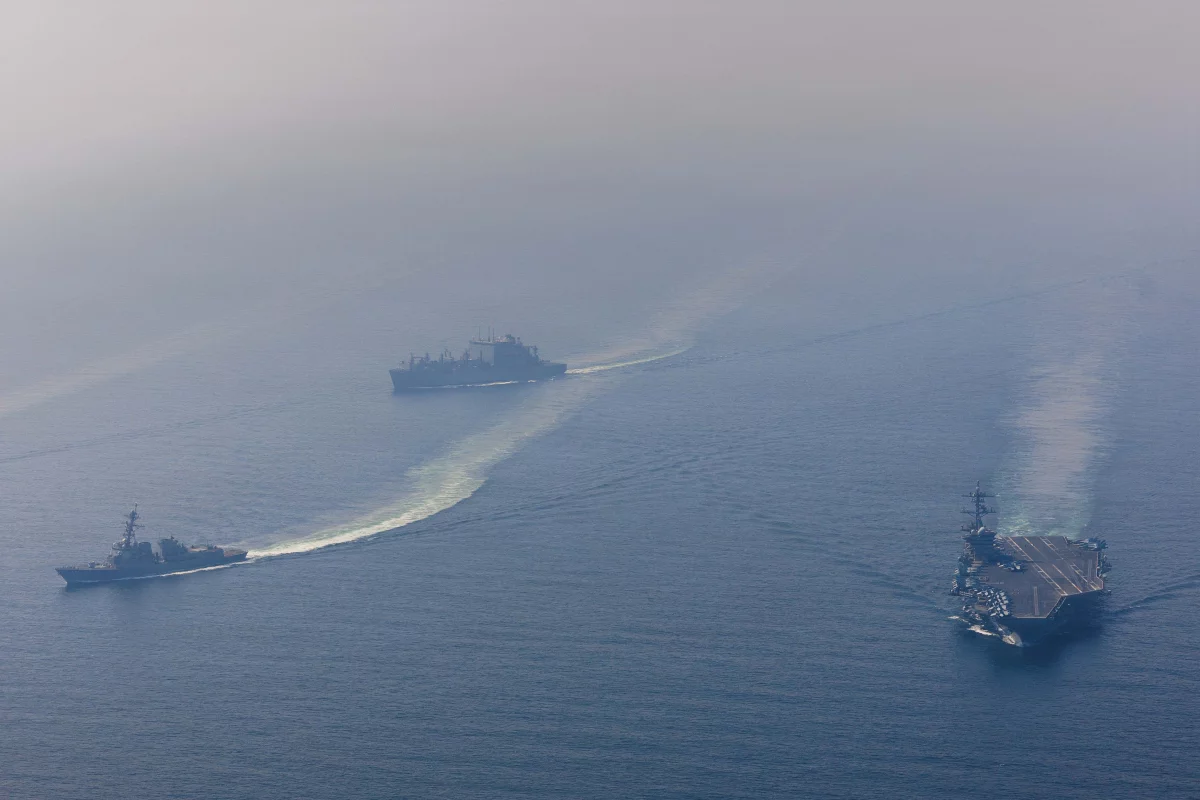
As U.S. Navy warships tighten their grip on the Strait of Hormuz, the world is holding its breath. What most people don’t realize is that naval blockades are far more dangerous and complex than they appear on the news. Here are the 3 terrifying facts you need to know right now.
1. Blockades Are Acts of War – Even Without a Single Shot Fired
International law considers a naval blockade an act of war. By physically preventing ships from entering or exiting the Strait of Hormuz, the U.S. is effectively declaring economic warfare on Iran. One miscalculation — a ship refusing to stop, a warning shot gone wrong, or an Iranian speedboat getting too close — could instantly ignite open conflict. History shows blockades rarely stay “peaceful” for long.
2. The Strait of Hormuz Is the World’s Most Dangerous Chokepoint
Nearly 20% of the planet’s daily oil supply flows through this narrow 21-mile-wide strait. If the blockade escalates and shipping halts, global oil prices could skyrocket overnight, triggering economic chaos, stock market crashes, and fuel shortages worldwide. Experts warn that even a temporary disruption could cost trillions and push economies into recession.
3. One Spark Can Trigger a Global Catastrophe
The U.S. is not the only player here. Russia and China have already sent warships into the region in open defiance. Iran has threatened to mine the strait or use swarms of drones and missiles. A single naval incident could spiral into a full-scale war involving multiple nuclear powers. The terrifying reality? The blockade isn’t just about stopping Iran — it’s a high-stakes gamble that could collapse the global energy system in hours.
The U.S. Navy insists the operation is “defensive and necessary,” but critics call it reckless provocation. With tensions already boiling, many fear we are one wrong move away from the nightmare scenario: oil prices exploding, supply chains breaking, and the risk of direct military confrontation.
This is not just another geopolitical standoff.
This is a ticking time bomb in the world’s most critical waterway.
The next few days could decide whether the Strait of Hormuz remains a trade route — or becomes the spark that sets the world on fire.
Stay alert. The blockade is real, and the stakes have never been higher.

U.S. Now Chasing Iranian-Linked Ships Across Every Ocean on Earth – Blockade Was Just the Beginning! The Terrifying Worldwide Crackdown No One Saw Coming

US Military Maintains Full Blockade on Iranian Ports as Negotiations Begin – Is This “Diplomacy” or a Slow-Motion Siege Designed to Force Total Capitulation? Read the Chilling Reality ⤵️

U.S. Naval Blockade on Iran Is Devastating Tehran Far Quicker Than Expected – Insiders Reveal the Terrifying Impact That Could Change the Middle East Forever

3 Terrifying Facts About Naval Blockades That Explain Why the U.S. Is Risking Everything in the Strait of Hormuz – One Wrong Move and Global Oil Supply Collapses Forever

UK Prime Minister Keir Starmer Cancels King Charles III’s Planned State Visit to Washington and Calls for the Arrest and Impeachment of Donald Trump Over Controversial Strait of Hormuz Blockade, Calls him a very dangerous Person amid Tension with Iran 📺 Full breakdown continues below… stay informed as this global crisis unfolds ⤵️

🚨 BREAKING: Donald Trump Attacks Taylor Swift — And Gets a Fiery Response That He Won’t Forget

Secret Forces Allowing Certain Ships to Defy Trump’s Hormuz Blockade – What Are They Smuggling That the World Can’t Know? Explosive Truth Revealed

POPE FIRES BACK AT TRUMP: “The World Needs to Hear My Message of Peace” After Trump’s Brutal Attack – Is This the Holy War We’ve Been Warned About?

Relatives of Missing F-15E Pilot Say They Haven’t Heard From Him Since Alleged Rescue Announced by Donald Trump; Claim Officials Contacted Them Only to Urge Silence and Not Speak to the Press

Iran Caves – Offers to Suspend Uranium Enrichment for 5 Years, Trump Slams Door and Demands 20 Years of Total Surrender

BROTHERS AT WAR: Explosive New Book Questions Harry’s “Physical Fight” Claim Against William – The Feud Just Got Uglier! 🔥
