
CELEBRITY
BREAKING: What began as a single, defiant remark has now exploded into a full-scale political and cultural showdown. When Kerry Kennedy publicly vowed to remove his name from the Kennedy Center — even saying it would take “a pickax” — most people assumed it was symbolic outrage that would fade. It didn’t. Other prominent Kennedys quickly echoed her stance, turning one comment into a united family position. And that’s when the reaction turned explosive.

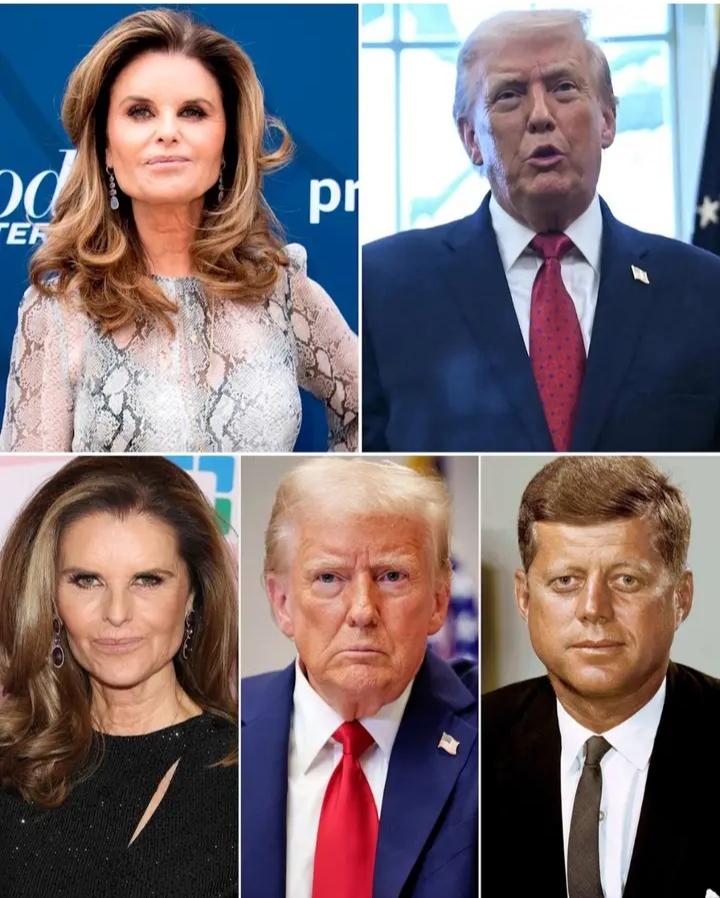
BREAKING: What began as a single, defiant remark has now exploded into a full-scale political and cultural showdown. When Kerry Kennedy publicly vowed to remove his name from the Kennedy Center — even saying it would take “a pickax” — most people assumed it was symbolic outrage that would fade. It didn’t. Other prominent Kennedys quickly echoed her stance, turning one comment into a united family position. And that’s when the reaction turned explosive.
The president fired back immediately — furious, unfiltered, and personal. He dismissed the Kennedys outright, blasted the move as a direct attack, and made it clear he wasn’t going to let it slide quietly. But here’s the part that sent his anger soaring even higher… It wasn’t just what the Kennedys said — it was what they promised to do the moment his term ends. That declaration transformed a heated exchange into a looming confrontation over legacy, power, and who truly controls one of America’s most iconic cultural institutions. Supporters say the family is defending values.
Critics say they’re provoking chaos. Either way, the gloves are off. This isn’t just political drama. It’s a battle over history, symbolism, and revenge — playing out in real time. And it’s only escalating
What began as a single, sharply worded remark has quickly evolved into a broader political and cultural dispute, drawing national attention. Kerry Kennedy’s public statement suggesting the family would seek to remove the Kennedy name from the Kennedy Center—using language that was strikingly blunt—was initially dismissed by many as symbolic protest. Instead, it became a catalyst.
Within days, other prominent members of the Kennedy family publicly aligned with her position, framing their stance as a matter of principle rather than provocation. Their unity transformed what might have been a fleeting controversy into a sustained challenge, raising questions about symbolism, stewardship, and the meaning attached to one of America’s most recognizable cultural institutions.
The response from the White House was swift and unusually personal. The president criticized the Kennedys’ position in strong terms, portraying it as a direct political attack rather than a cultural disagreement. Advisors described the president as particularly angered not just by the rhetoric, but by the family’s stated intention to revisit the issue after his term ends—an implication that the conflict is not temporary, but strategic.
Supporters of the Kennedys argue the family is defending long-standing civic and artistic values tied to the institution’s founding. Critics counter that the move risks politicizing a cultural landmark and escalating tensions unnecessarily. What is clear is that the dispute has moved beyond words. It has become a struggle over legacy, influence, and who gets to define the future of a national symbol.
As both sides harden their positions, the controversy shows no sign of fading. Instead, it underscores how deeply history, culture, and politics remain intertwined—and how quickly a single comment can ignite a much larger battle.

Supreme Court Issues Emergency Injunction — Orders Donald Trump to Immediately Remove Controversial Strait of Hormuz Blockade

BREAKING: Connor McDavid Takes Explosive Stand Against Child Exploitation — “Society is Failing Our Kids!”

International Criminal Court Summons Donald Trump, Pete Hegseth, and Benjamin Netanyahu to Appear for May 1, 2026 Hearing Over Alleged War Crimes

🚨 “Photos Tell Stories—But Context Tells the Truth”: Viral Campaign Sparks Fierce Debate on Media Manipulation and Public Figures

Taylor Swift Issues Explosive Statement Amid Intense Political Pressure

“This is a DEEP STATE COUP! I Have Every Right to Fire Anyone I Want!” — Courts Deliver Massive Reality Check

No, the World Must Not Look Away: A Single Mother’s Horrific Ordeal in Iran’s Prisons

🏛️⚡ TRUMP REMOVAL RUSHES IN — GOP REBELS JOIN IMPEACHMENT! The Walls Are Closing In!

FIRST LADY TRAPPED: Michael Wolff Presents IRREFUTABLE Evidence — Melania Trump’s Epstein Deposition Now UNAVOIDABLE!

Was Melania Trump Just a “Pawn” in the Epstein Scandal? Explosive New Statement Ignites Fresh Controversy

Wayne Gretzky Goes Nuclear in Explosive Defense of Connor McDavid — “This is a CRIME AGAINST HOCKEY! A Disgusting Betrayal of Everything the Sport Stands For. How Can People Be So Heartlessly Cruel?
