
CELEBRITY
CNN Poll Claims Trump Is “The Most Dishonest Man in Modern History.” The report says he lies nearly 100% of the time, and the shocking part is that analysts insist this isn’t even an exaggeration. After Trump demolished a section of the White House’s East Wing, sources say there was no architect, no finalized plan, and no approved blueprint in place. Now he’s reportedly scrambling to find one — all while preparing to demolish another wing, not for any official purpose, not for a ballroom, but for something so deeply personal to him that many are calling it an unbelievable waste of taxpayer money. So the big question now is this: does this prove the demolition was never about renovation — but a performative move designed to shock and unsettle the American people?

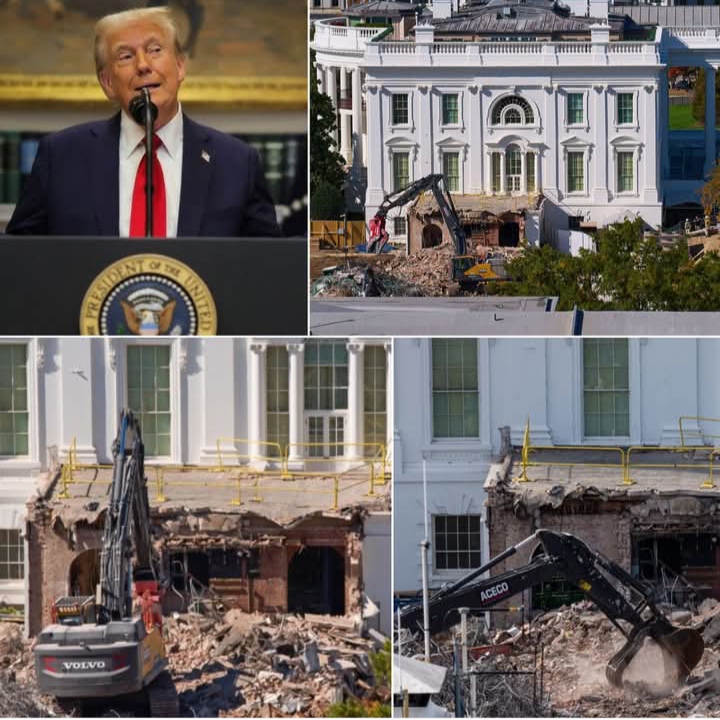
CNN Poll Claims Trump Is “The Most Dishonest Man in Modern History.”
The report says he lies nearly 100% of the time, and the shocking part is that analysts insist this isn’t even an exaggeration.
After Trump demolished a section of the White House’s East Wing, sources say there was no architect, no finalized plan, and no approved blueprint in place. Now he’s reportedly scrambling to find one — all while preparing to demolish another wing, not for any official purpose, not for a ballroom, but for something so deeply personal to him that many are calling it an unbelievable waste of taxpayer money.
So the big question now is this: does this prove the demolition was never about renovation — but a performative move designed to shock and unsettle the American people?
## Controversial Claims and Unverified Reports Swirl Around Trump and Alleged White House Renovation Plans
**Washington, D.C.** — A set of sharply disputed claims ricocheted through political media this week after online commentators and several partisan outlets circulated what they described as a “CNN poll” labeling former President Donald Trump “the most dishonest man in modern history.” CNN has issued no such poll, but the assertion spread quickly across social media, fueled by critics who contend the former president remains habitually misleading in his public statements.
The controversy escalated further when additional **unverified reports** alleged that Trump had overseen the demolition of a portion of the White House’s East Wing without a finalized architectural plan or approved blueprint. According to these circulating narratives, the demolition was undertaken hastily and without proper oversight, leaving the administration scrambling to identify architects and finalize designs retroactively.
White House officials have **not confirmed any such demolition**, and no credible evidence has surfaced indicating that structural alterations of this scale have taken place. Nonetheless, the rumor has taken on a life of its own, amplified by commentators who argue that if true, the move would raise significant questions about process, transparency, and stewardship of taxpayer funds.
Some critics have speculated—again, without verified documentation—that a second demolition may be under consideration, allegedly not for a public or official purpose but for a personal project tied to Trump himself. These claims remain unsubstantiated, yet they have intensified debate among analysts who wonder whether such actions, if they occurred, would have been rooted in genuine renovation goals or in a desire to generate spectacle and disruption.
### A Larger Question About Political Perception
The episode underscores how rapidly unverified stories can spread in a polarized media environment, especially when they reinforce existing narratives held by supporters or detractors. The broader question being asked is not just whether the alleged demolition was about renovation or performance, but why such claims resonate so strongly—and what that says about public trust, political communication, and the landscape of modern American governance.
As of now, **no official documentation supports the demolition claims**, and the so-called poll has not been attributed to any reputable source. What remains is a swirl of rumor, interpretation, and political projection—an increasingly familiar dynamic in the nation’s fractured information ecosystem.

🚨 ULTIMATE BETRAYAL BOMBSHELL: Top U.S. Generals SECRETLY SURRENDERED to Iran in a Hidden Geneva Meeting – The Whole “War” Is FAKE Theater to Launder $800 BILLION While China Quietly Seizes the Strait of Hormuz and Takes Down America! This Is Treason on Steroids – You’re Being Sold Out Right Now ⤵️

RED ALERT: RUSSIA & CHINA JUST LANDED 50,000 TROOPS IN IRAN DRESSED IN U.S. UNIFORMS – Massive False-Flag Invasion of Israel Is Already Underway! The Sick Globalist Plan Is to Drag America Into Full Nuclear War So They Can Declare Worldwide Martial Law and End Freedom Forever

LEAKED MAR-A-LAGO BOMBSHELL – Trump Secretly Warned Netanyahu That Iran Has a NUCLEAR BOMB Hidden Inside a Shipping Container at the Port of Los Angeles… Set to DETONATE on JULY 4th! The Entire War Is a Desperate Distraction to Save America From Armageddon

Secret Biden-Iran Backchannel Deal EXPOSED – War Was Deliberately Green-Lit to CRASH the Petrodollar and Force America Into a One-World Digital Currency by 2027! This Is Treason – The Globalist Plot Is Now in Plain Sight

🚨 BOMBSHELL ESCALATION: China and Russia Send Warships to Hormuz in Open Defiance of Trump – “We Will Not Let America Control the Strait!” Global Superpower Showdown Erupts

🚨 TRUMP DROPS BOMBSHELL WARNING TO CHINA: Trump Just Threatened China With “Serious Consequences” Over Alleged Weapons Shipments to Iran – Secret Military Alliance Rumors Explode!

JUST IN; Families of Missing F-15E Pilot File Federal Tort Claims Act Lawsuit Against Donald Trump Administration, Alleging Misinformation and Emotional Distress Saying They Haven’t heard from Him Despite Claims of a Rescue and Accusing Officials of Pressuring Them to Remain Silent

Iran Launches Massive Anti-Ship Missile & Drone Swarm Attack on U.S. Navy Destroyer in Strait of Hormuz – Warship Suffers Severe Damage After Peace Talks With Trump Collapse!

🚨 WAR IMMINENT: Trump Just Declared “Total Destruction” on Iran – Announces Full U.S. Navy Blockade of Strait of Hormuz! Any Attack Triggers Hellfire

SHOCKING SPACE SURVIVAL: What the Artemis II Crew Endured Will Leave You Speechless – Record-Breaking Distance From Earth, Insane 24,000 MPH Death-Defying Re-Entry, and a Perfect Splashdown Against All Odds! NASA Just Proved Humans Can Conquer the Impossible

SHOCKING ATTACK: Taylor Swift Goes Nuclear on Trump Live on TV – Labels Him Unfit for Office and Accuses Him of Dragging America Into Disaster! Celebrity Rebellion Begins ⤵️
