
CELEBRITY
BREAKING: ICE officials are reportedly worried blue state cops and prosecutors will begin arresting and charging ICE agents, and local juries will be very unkind to them and hold them accountable for their actions.

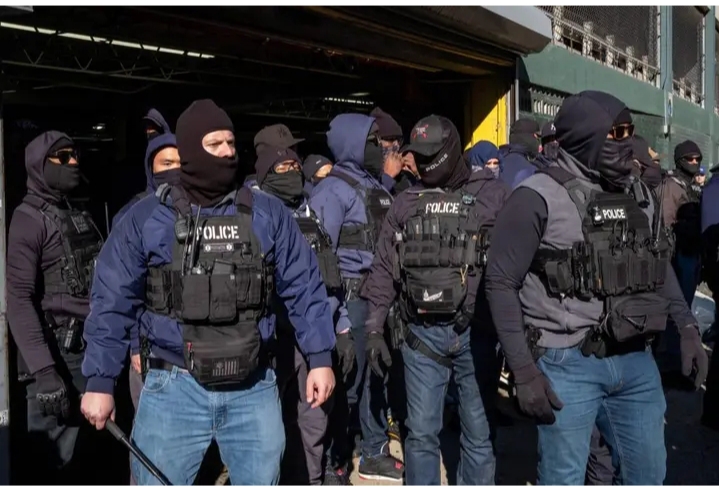
BREAKING: ICE officials are reportedly worried blue state cops and prosecutors will begin arresting and charging ICE agents, and local juries will be very unkind to them and hold them accountable for their actions.
ICE Officials Express Concern Over Potential Legal Exposure in Blue States
Federal immigration officials are reportedly growing increasingly concerned that state and local authorities in Democratic-led states could begin arresting and prosecuting Immigration and Customs Enforcement (ICE) agents for actions taken during enforcement operations. According to sources familiar with internal discussions, the concern is that local prosecutors and juries may be far less sympathetic to ICE agents operating in jurisdictions that strongly oppose federal immigration policies.
The anxiety reflects escalating tensions between the federal government and so-called “sanctuary” states and cities, where local leaders have pushed back aggressively against immigration enforcement they view as overly harsh or unlawful. Legal experts note that while ICE agents generally operate under federal authority, disputes can arise when state officials believe federal officers have exceeded their legal powers or violated local laws.
Former prosecutors say that even the perception of potential criminal liability could have a chilling effect on ICE operations, particularly in jurisdictions where public opinion is hostile to immigration enforcement. At the same time, civil rights advocates argue that federal agents should not be immune from accountability when alleged misconduct occurs.
So far, there is no widespread evidence of ICE agents being charged by state authorities, but the growing concern underscores the deepening divide between federal immigration enforcement and state-level resistance—one that could increasingly be tested in courtrooms rather than policy debates.

BETRAYAL BOMBSHELL: MURDOCH TURNS ON TRUMP, CALLS OUT WAR CRIME SCANDAL IN SHOCKING HIT PIECE — Fox Empire Ally Exposes Hegseth’s Deadly Secrets, International Fury Ignites as Cover-Ups Unravel!

BREAKING: Trump IS “TRAITOR” Military General GOES NUTS on Trump A retired four-star general has just issued one of the most serious warnings yet about Donald Trump—and it’s not coming from politicians, but from the military itself. These are leaders who spent decades defending the Constitution, and they’re sounding the alarm that Trump is breaking the most sacred rule of American democracy:

BREAKING NEWS: Trump FACES JAIL as Congress DROPS 7 Impeachment Articles! No one is above the law. In the past 24 hours, history has unfolded before our eyes. The U.S. Congress has introduced seven articles of impeachment against President Donald Trump, while multiple criminal investigations accelerate toward the possibility of real consequences…

BREAKING NEWS: Stephen Colbert says an anonymous source claims 12 powerful figures paid $60 million to bury a secret — and he plans to name them live tonight.

BREAKING:“FIX THIS NOW!”: TRUMP ERUPTS AS THE FIVE LARGEST TOURISM MARKETS TURN THEIR BACKS ON THE U.S., AMERICA’S TOURISM INDUSTRY ON THE BRINK OF TOTAL COLLAPSE

JUST IN: NO NEED TO WAIT FOR CONGRESS: FEDERAL JUDGES HOLD THE POWER TO SEND TRUMP STRAIGHT TO JAIL AS SEVEN ARTICLES OF IMPEACHMENT DROP ON THE SAME DAY

MAJOR BREAKING: Supreme Court Rejects Trump’s Tariff Authority — Here’s What It Means:

BREAKING: Senate Votes 68–32 to CONVICT — President Trump REMOVED, REFUSES to Accept Verdict! Washington, D.C. — The chamber fell into a silence so heavy it seemed to press down on the marble itself. When the final tally appeared on the board — 68 to convict, 32 to acquit — there was no roar, no gasp, no release. Just a stillness that signaled history had pivoted, whether anyone in the room was ready for it or not. Moments later, the presiding officer announced the result. President Donald J. Trump was removed from office.

🚨 Trump’s Florida Event Sparks Online Frenzy A short clip from a recent appearance in Florida has triggered intense debate online. Some posts suggest a medical scare, while others say the footage is being taken out of context. Before jumping to conclusions, here’s what’s been officially reported

🚨 UNREDACTED EPSTEIN FILES RELEASED — LAWMAKERS BEGIN REVIEW Millions of previously sealed documents connected to Jeffrey Epstein have reportedly been made available to a bipartisan group of lawmakers, marking a significant procedural development in a case that has drawn sustained public attention.

⚡ Viral posts say power has already shifted. Acting president. Immediate removal. Constitutional earthquake. But pause. There’s no official transmission. No VP statement. No Tier-A confirmation… 🔍 If Section 4 were real, Washington wouldn’t whisper — it would shake within the hour.
