
CELEBRITY
A Nation in Crisis: When Presidential Power Becomes a Threat. President Donald J. Trump requires invoking the 25th Amendment. When the actions of a president endanger democracy itself, silence is no longer an option.

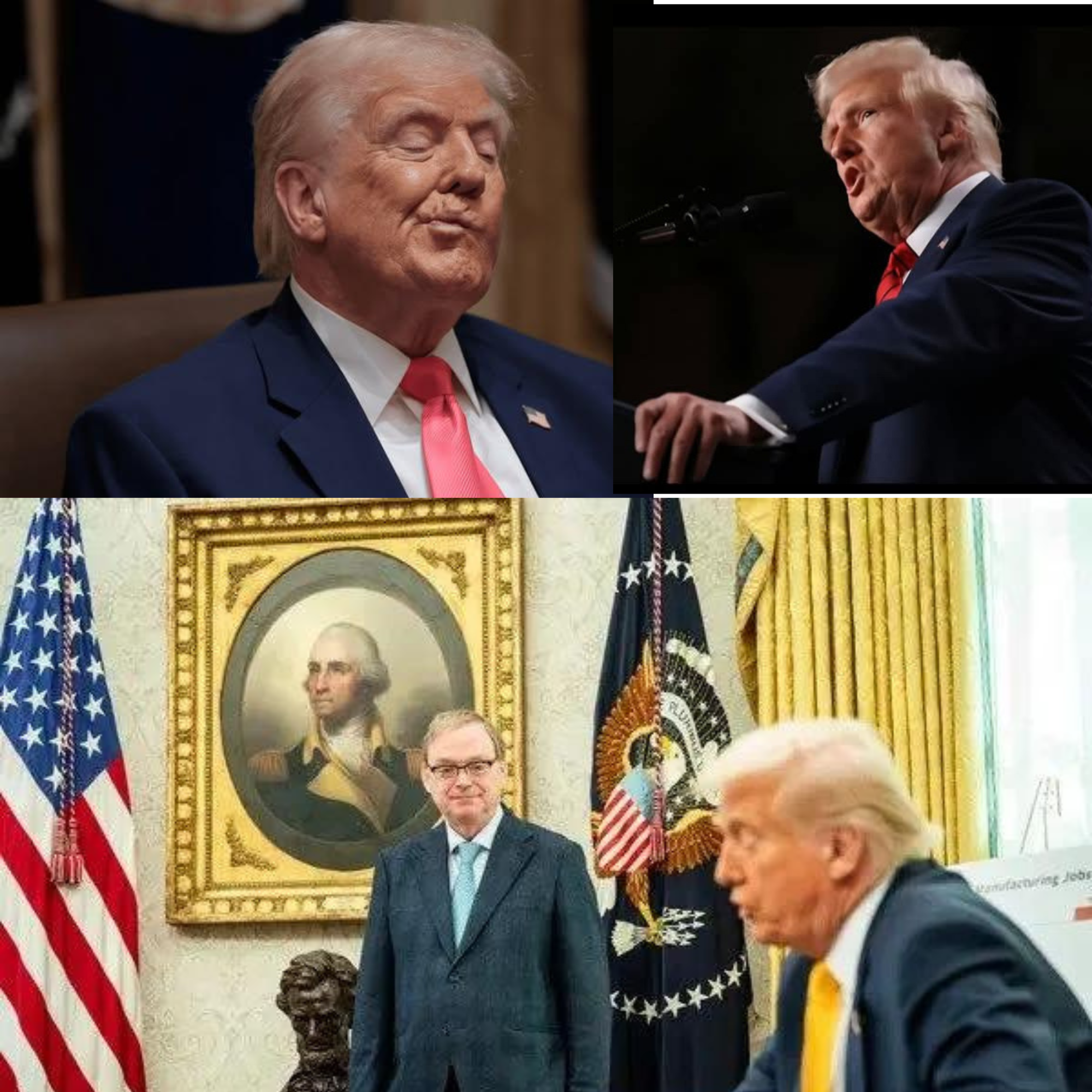
President Donald J. Trump requires invoking the 25th Amendment. His actions have caused significant harm to the nation, and he is not suitable for the Presidency.
A Nation in Crisis: When Presidential Power Becomes a Threat
When the actions of a president endanger democracy itself, silence is no longer an option.
A Nation in Crisis: When Presidential Power Becomes a Threat
When the actions of a president begin to undermine democratic institutions, the nation enters dangerous territory. In such moments, loyalty to the Constitution must outweigh loyalty to any individual. The presidency is not a personal entitlement; it is a public trust, bounded by law, norms, and accountability.
President Donald J. Trump’s tenure raised profound concerns about the use—and misuse—of executive power. Repeated attacks on the legitimacy of elections, pressure on independent institutions, and rhetoric that fueled division tested the resilience of American democracy. When a president’s conduct appears to place personal interest above constitutional duty, the question is no longer partisan—it is civic.
The 25th Amendment exists precisely for moments of crisis. It is not a political weapon, but a constitutional safeguard designed to ensure continuity and stability when a president is unable or unwilling to faithfully execute the duties of the office. Invoking it is a grave step, but so is allowing democratic norms to erode unchecked.
Silence in such times is complicity. Democracy survives not because it is invincible, but because citizens and leaders choose to defend it. Upholding the Constitution may require uncomfortable decisions, but history shows that the cost of inaction is far greater. When presidential power becomes a threat, courage—not convenience—must guide the nation’s response.

BETRAYAL BOMBSHELL: MURDOCH TURNS ON TRUMP, CALLS OUT WAR CRIME SCANDAL IN SHOCKING HIT PIECE — Fox Empire Ally Exposes Hegseth’s Deadly Secrets, International Fury Ignites as Cover-Ups Unravel!

BREAKING: Trump IS “TRAITOR” Military General GOES NUTS on Trump A retired four-star general has just issued one of the most serious warnings yet about Donald Trump—and it’s not coming from politicians, but from the military itself. These are leaders who spent decades defending the Constitution, and they’re sounding the alarm that Trump is breaking the most sacred rule of American democracy:

BREAKING NEWS: Trump FACES JAIL as Congress DROPS 7 Impeachment Articles! No one is above the law. In the past 24 hours, history has unfolded before our eyes. The U.S. Congress has introduced seven articles of impeachment against President Donald Trump, while multiple criminal investigations accelerate toward the possibility of real consequences…

BREAKING NEWS: Stephen Colbert says an anonymous source claims 12 powerful figures paid $60 million to bury a secret — and he plans to name them live tonight.

BREAKING:“FIX THIS NOW!”: TRUMP ERUPTS AS THE FIVE LARGEST TOURISM MARKETS TURN THEIR BACKS ON THE U.S., AMERICA’S TOURISM INDUSTRY ON THE BRINK OF TOTAL COLLAPSE

JUST IN: NO NEED TO WAIT FOR CONGRESS: FEDERAL JUDGES HOLD THE POWER TO SEND TRUMP STRAIGHT TO JAIL AS SEVEN ARTICLES OF IMPEACHMENT DROP ON THE SAME DAY

MAJOR BREAKING: Supreme Court Rejects Trump’s Tariff Authority — Here’s What It Means:

BREAKING: Senate Votes 68–32 to CONVICT — President Trump REMOVED, REFUSES to Accept Verdict! Washington, D.C. — The chamber fell into a silence so heavy it seemed to press down on the marble itself. When the final tally appeared on the board — 68 to convict, 32 to acquit — there was no roar, no gasp, no release. Just a stillness that signaled history had pivoted, whether anyone in the room was ready for it or not. Moments later, the presiding officer announced the result. President Donald J. Trump was removed from office.

🚨 Trump’s Florida Event Sparks Online Frenzy A short clip from a recent appearance in Florida has triggered intense debate online. Some posts suggest a medical scare, while others say the footage is being taken out of context. Before jumping to conclusions, here’s what’s been officially reported

🚨 UNREDACTED EPSTEIN FILES RELEASED — LAWMAKERS BEGIN REVIEW Millions of previously sealed documents connected to Jeffrey Epstein have reportedly been made available to a bipartisan group of lawmakers, marking a significant procedural development in a case that has drawn sustained public attention.

⚡ Viral posts say power has already shifted. Acting president. Immediate removal. Constitutional earthquake. But pause. There’s no official transmission. No VP statement. No Tier-A confirmation… 🔍 If Section 4 were real, Washington wouldn’t whisper — it would shake within the hour.
