
CELEBRITY
The 2026 FIFA World Cup, set to be jointly hosted by the United States, Canada, and Mexico, is facing growing scrutiny amid concerns over visa policies, immigration enforcement, and visitor access across host cities. Supporter groups in parts of Europe and Latin America have raised alarms that travel restrictions and lengthy visa processes could prevent thousands of fans from attending, while advocacy organizations warn that heightened border and security measures may create an unwelcoming environment for international visitors.

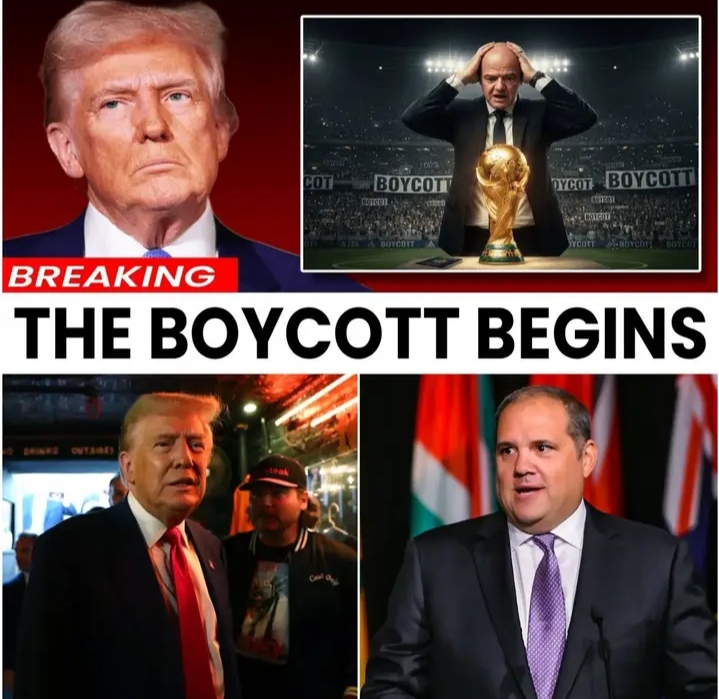
🚨 FIFA IN CHAOS: GLOBAL BOYCOTT THREAT LOOMS OVER 2026 WORLD CUP ⚽🇺🇸🔥
The 2026 FIFA World Cup, co-hosted by the United States, Canada, and Mexico, faces mounting uncertainty as visa restrictions, immigration enforcement concerns, and high-profile incidents in host cities spark widespread debate among fans and officials. Reports indicate thousands of ticket cancellations, calls for boycotts from supporter groups in Europe and elsewhere, and public criticism from politicians and federations over access and safety issues for international visitors. FIFA has emphasized that the tournament remains on track with record ticket demand, while contingency discussions about match reallocations have surfaced amid the growing controversy.
👉 You won’t believe the secret move that triggered the entire crisis — click to uncover the explosive detail!
The 2026 FIFA World Cup, set to be jointly hosted by the United States, Canada, and Mexico, is facing growing scrutiny amid concerns over visa policies, immigration enforcement, and visitor access across host cities. Supporter groups in parts of Europe and Latin America have raised alarms that travel restrictions and lengthy visa processes could prevent thousands of fans from attending, while advocacy organizations warn that heightened border and security measures may create an unwelcoming environment for international visitors.
These concerns have begun to ripple outward. Media reports point to a rise in ticket cancellations and early calls for boycotts from organized fan groups, alongside criticism from politicians and some national football federations seeking clearer guarantees for fan safety and freedom of movement. In response, FIFA has insisted the tournament remains firmly on schedule, citing strong commercial interest and what it describes as “unprecedented global demand” for tickets and hospitality packages.
Behind the scenes, however, officials are said to be holding contingency discussions, including the possibility of reallocating certain matches if logistical or diplomatic challenges intensify. While no formal changes have been announced, the debate highlights the delicate balance between global sport and national policy—one that could shape not only the 2026 World Cup, but the future expectations of hosting major international tournaments.

TRUMP’S DOOMSDAY: 13 Articles of Impeachment Filed Against Him – Highest in American History! He Will Be Impeached on This Explosive Date

🚨 TRUMP UNDER SIEGE: 24 Members of Congress Publicly Push for Impeachment – Historic Defection Could End His Presidency Tonight!

JUST IN: 30 MILLION VIEWS IN 1 HOUR: OBAMA BREAKS THE INTERNET BY DECLARING TRUMP THE BIGGEST THREAT TO AMERICA TODAY

Biggest Meltdown EVER: Enjoy our full breakdown of Trump’s attack on MAGA allies that he posted just moments after Melania’s disastrous speech that may earn her a House Oversight subpoena to testify against him.

BREAKING: The White House has rejected claims made by Jesse Ventura suggesting the assas*sination attempt on Donald Trump was staged. Officials emph*asized that the incident was real and should be tre*ated with serio*usn*ess.

BREAKING: President Donald Trump has renewed his campaign to be considered for the Nobel Peace Prize, claiming he deserves the honor for helping end several major conflicts.

BREAKING: Full text of Survivors’ BLISTERING response to Melania: Survivors have already shown extraordinary courage by coming forward, filing reports, and giving testimony. Asking more of them now is a deflection of responsibility, not justice.

JUST IN: “Are you deaf, blind, or simply too afraid to admit that this administration poisoned the system from top to bottom?” Pope Leo XIV said firmly, his voice echoing through the hall as his hand struck the table sharply.

JUST IN: A federal judge has rejected the Pentagon’s revised press policy, ruling that it violated his earlier order and amounted to an attempt by Pete Hegseth and the Trump administration to control what the American people see and hear.

🇮🇷📜 IRANIAN SUPREME LEADER’S MESSAGE: “Iran Has WON” On the 40th day after the martyrdom of Ayatollah Ali Khamenei, new Supreme Leader Mojtaba Khamenei declares:

Zelensky Welcomes Ceasefire Signals Ukraine Ready to Pause War if Russia Stops Attacks
